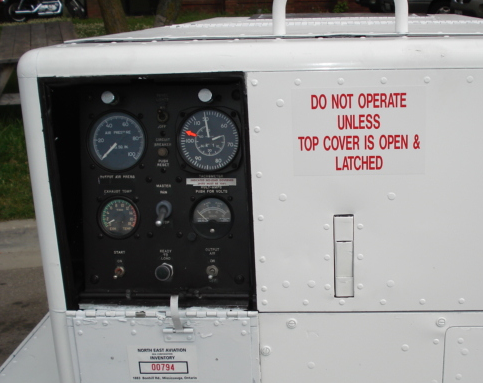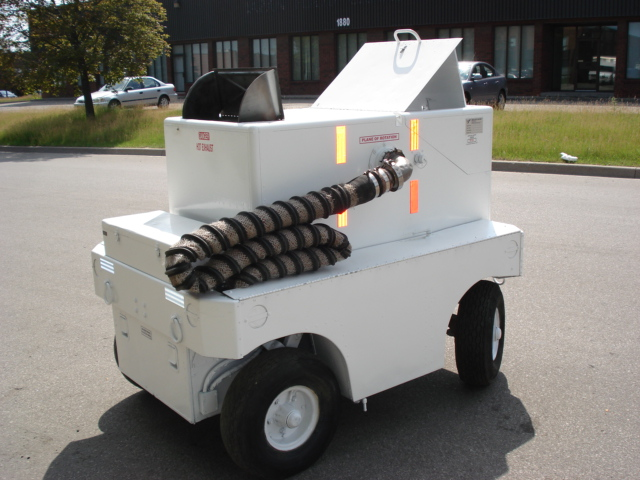
 Aviation is a dynamic industry, and safety is critical. From commercial airlines to private jets, ensuring the safety of passengers and crew is non-negotiable. One vital aspect of this safety framework is selecting the appropriate aircraft safety equipment. Whether it’s emergency evacuation slides, fire suppression systems, or life-saving flotation devices, each component is vital in protecting lives in an emergency.
We understand the significance of choosing the right aircraft safety equipment at GSE-R-US. With years of expertise in the aviation industry, we’ve compiled a comprehensive guide to help you navigate this critical decision-making process.
Compliance with Regulations: The first and foremost consideration when selecting aircraft safety equipment is ensuring compliance with aviation regulations. Regulations differ depending on the area and kind of aircraft, so it’s critical to stay current on the guidelines provided by regulatory agencies like the European Union Aviation Safety Agency (EASA) and the Federal Aviation Administration (FAA).
Quality and Reliability: Aircraft safety equipment must meet stringent quality standards to guarantee reliability during emergencies. Prefer safety equipment suppliers with a track record of producing dependable, high-quality products. Look for certifications such as ISO 9001 or AS9100 to ensure rigorous adherence to quality management systems.
Compatibility and Integration: Aircraft safety equipment should seamlessly integrate with existing systems and infrastructure. Consider factors such as compatibility with aircraft models, ease of installation, and interoperability with other safety systems. Choosing equipment that integrates smoothly with your aircraft minimizes downtime and ensures optimal emergency performance.
Performance in Extreme Conditions: Aviation operates in diverse environments, from sub-zero temperatures at high altitudes to scorching heat on the tarmac. Select safety equipment designed to perform reliably under various environmental conditions. Conduct thorough testing and evaluation to verify the equipment’s performance in extreme temperatures, humidity, and altitude conditions.
Maintenance and Support: Routine maintenance is vital for maintaining aircraft safety equipment in the best possible condition. Prioritize suppliers that offer comprehensive maintenance programs and responsive technical support services. Ensure easy access to spare parts, servicing facilities, and trained personnel to minimize downtime and ensure the continuous airworthiness of your safety equipment.
Cost and Value: While cost is a significant factor in any purchasing decision, prioritize value over price when selecting aircraft safety equipment. Investing in high-quality, reliable safety equipment may require a higher upfront investment but can ultimately save lives and minimize costly disruptions in the long run. Do a comprehensive cost-benefit analysis to assess the overall cost of ownership for the equipment during its lifetime.
Innovation and Future Readiness: The aviation sector is always changing, and technological breakthroughs spur innovation in safety gear. Consider vendors who make R&D investments to remain ahead of new risks and legal demands. Look for innovative features such as enhanced fire suppression systems, advanced evacuation slide designs, and integrated safety monitoring systems that improve overall safety and efficiency.
Selecting the appropriate aircraft safety equipment is a crucial choice that must be carefully considered. By prioritizing compliance, quality, compatibility, performance, maintenance, cost, and innovation, you can ensure your passengers and crew’s safety and security in any aviation scenario. At GSE-R-US, we’re committed to providing top-quality aircraft safety equipment that meets the highest reliability, performance, and compliance standards. To learn more about our extensive array of safety solutions customized to your aviation requirements, contact us right now.
 In the aviation industry, ensuring the safety and efficiency of aircraft operations is paramount. One often overlooked yet integral aspect of this process is the regular maintenance of Aircraft
  In the ever-evolving landscape of air travel, every minute counts. Efficiency is vital from the moment passengers step into the terminal until they settle into their seats. One area where efficiency has long been sought after is in the boarding process. Traditionally, boarding an aircraft has been time-consuming and sometimes chaotic, but the game is changing thanks to innovative
 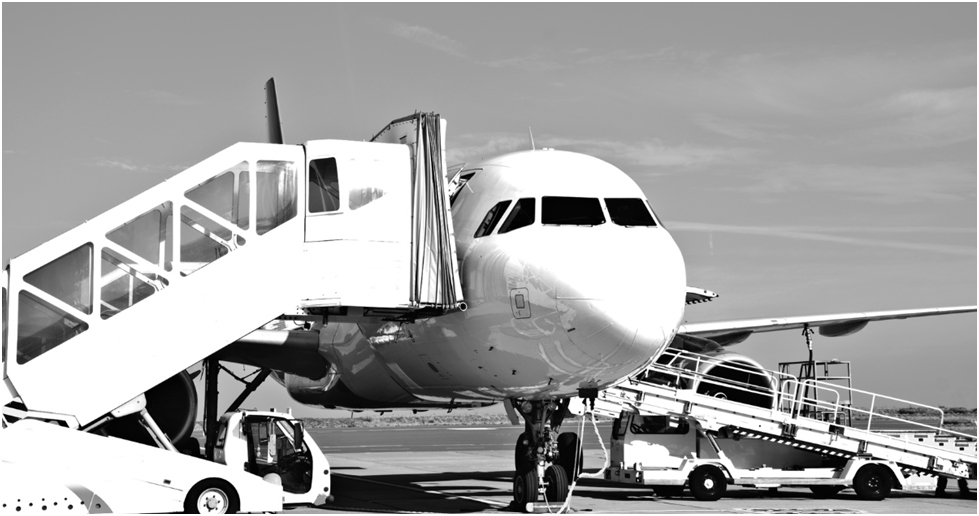 When it comes to the aviation industry, efficiency and reliability are paramount.
 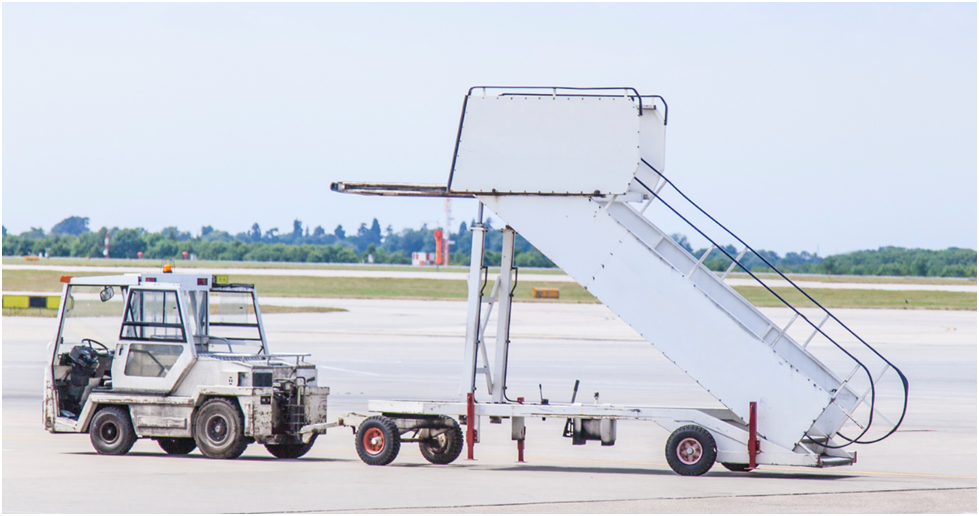 As the aviation industry continues its upward trajectory, the need for streamlined efficiency and advanced
 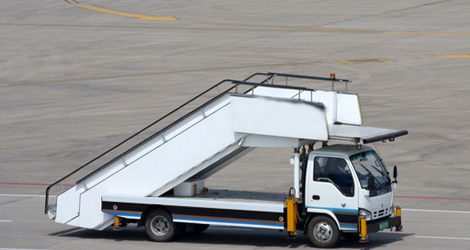 Welcome to GSE-R-US, your trusted source for all things related to Ground Support Equipment (GSE). Today, we’re excited to dive into the dynamic world of GSE innovation. The aviation industry is constantly evolving, and the equipment used to support it on the ground is no exception. In this blog, we’ll explore recent innovations in GSE that are shaping the future of airport operations and sustainability.
 About the author: Arie Tall has held positions as an airline pilot, chief pilot, director of flight operations, and airline VP. He is the business owner of an airline, ground handling company and has taken on the latest challenge of designing and manufacturing GPUs under the name Jetall GPU.